

⚡ Interactive
LLMs
Memory
Memory Management in LLMs
A structured hub on how large language models use, store, and optimize memory — from the bytes that hold model weights on a GPU to how an agent remembers across sessions. Pick a topic to dive in.
A structured hub on how large language models use, store, and optimize memory — from the bytes that hold model weights on a GPU to how an agent remembers across sessions. Pick a topic to dive in.

Our first build mirrored the org chart. It was the wrong shape. Here's how five recognised agentic design patterns, scored against the same criteria, led to a hybrid recommendation — and what changes in v3.
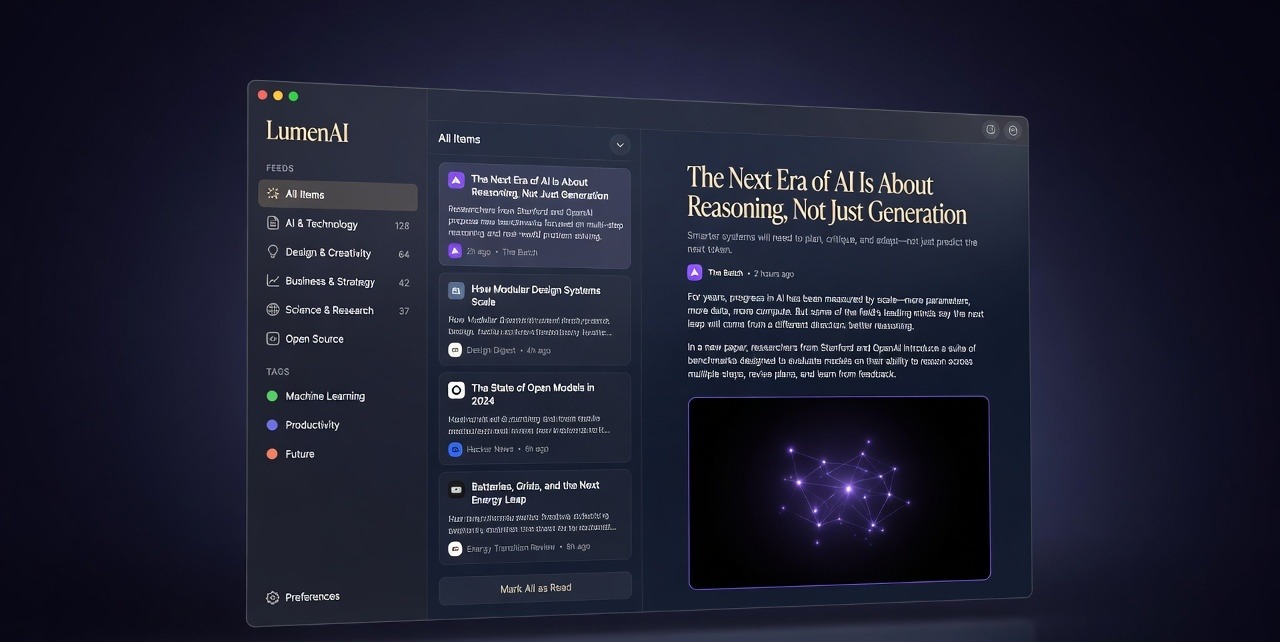
How I built LumenAI — a local-first, native macOS RSS reader with full-text search, offline reading, and pluggable AI summaries — from an empty folder to a signed DMG in about an hour, with Claude writing every line.
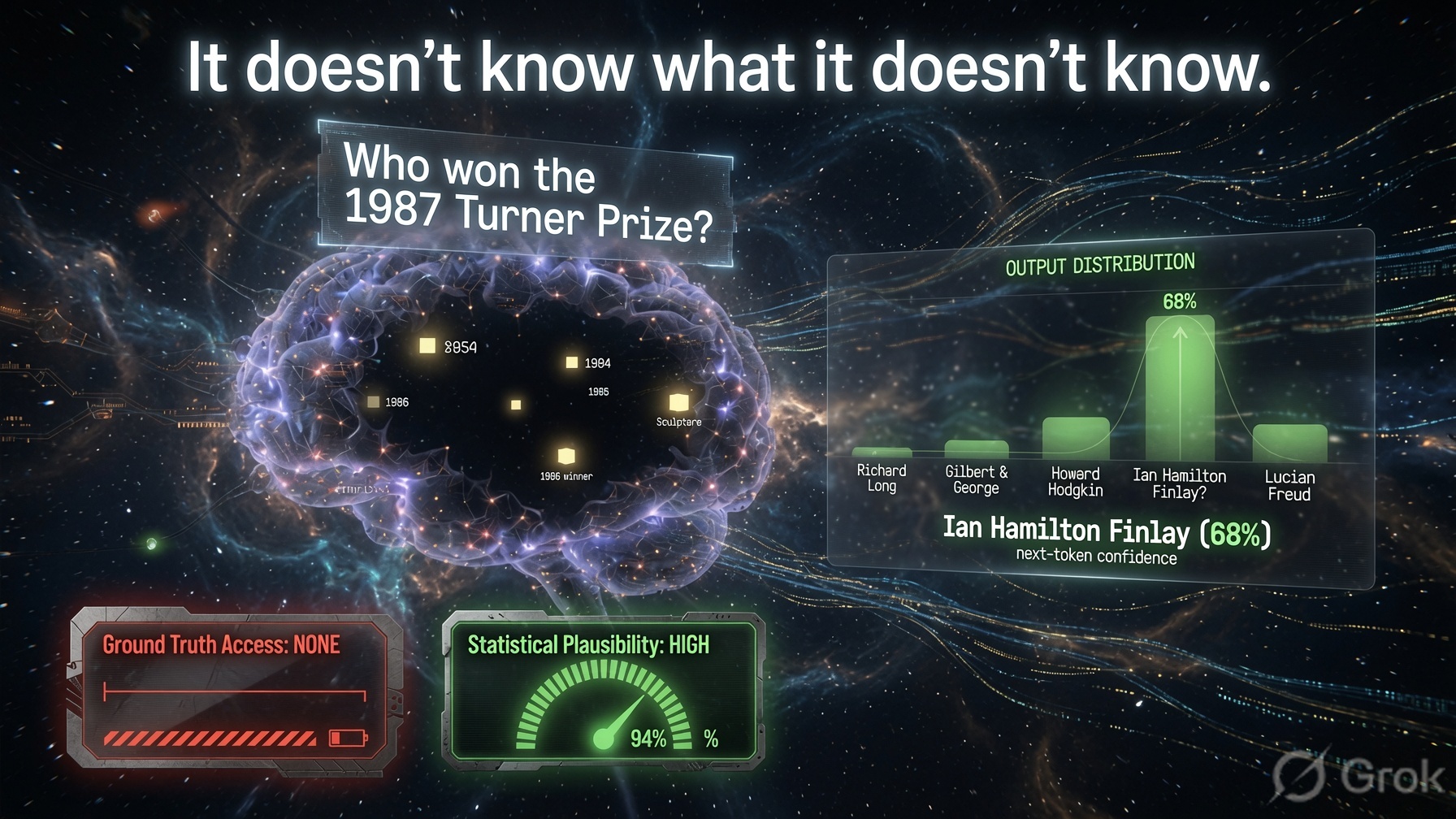
What ChatGPT and Claude actually are under the hood — a plain-English explainer of next-token prediction, softmax, attention, and why hallucinations are inevitable. Beginner to intermediate, with interactive animations.

How a MacBook without a touchscreen led to Glide: an invisible touchscreen powered by computer vision.

The second chapter of Aether: how a local-first team of IT architecture agents grew from a clean idea into a 13-agent, web-first, self-escalating system — and every bug that shaped it along the way.
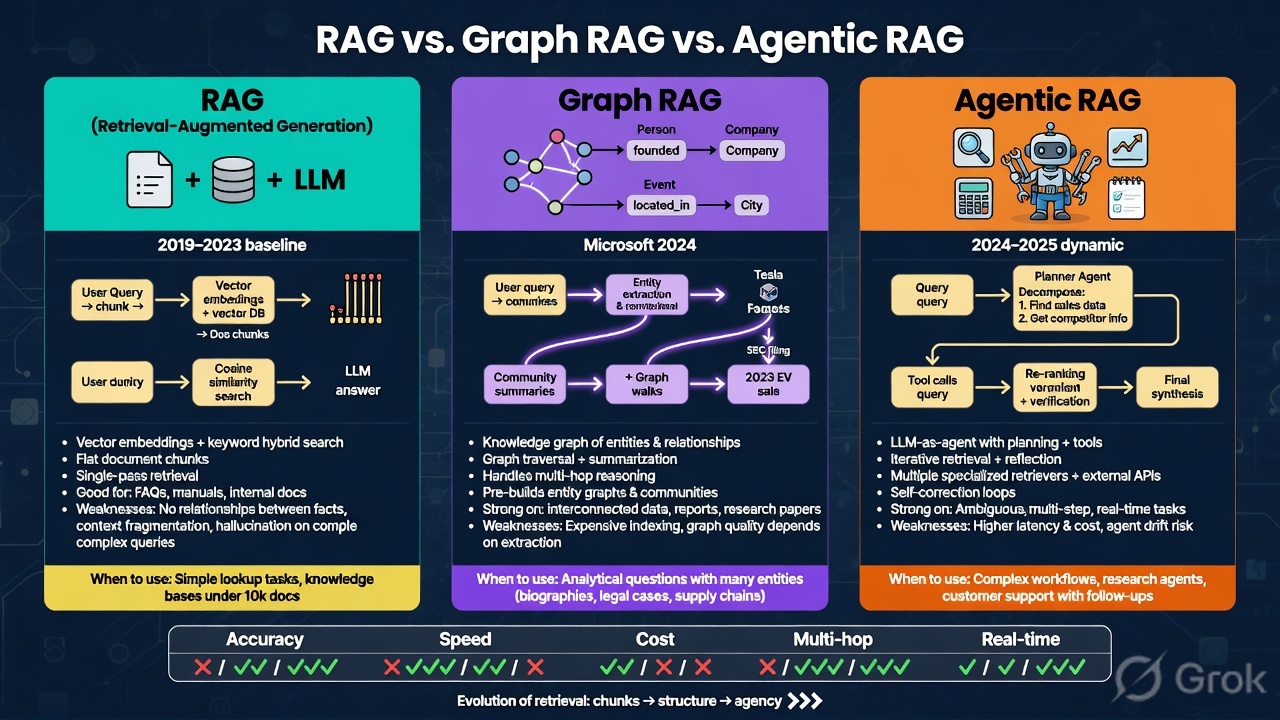
A visual breakdown of three RAG architectures — when each one wins, where it breaks down, and how binary quantization can shrink the vector index by 32× without changing the architecture you picked.

An idea piece: how Digital Workplace Operations teams are structured today, where agentic AI is heading, and how a five-agent swarm can replace the follow-the-sun model — same SLA, 24×7 coverage, multilingual by default, with a hash-chained audit trail any G500 internal-audit team can verify in one click.
A six-minute executive briefing on the architectural and commercial shift underway in Indian infrastructure outsourcing. Where the industry sits on the automation maturity curve, why the incentive conflict is harder than the technology, and what one fictional 80,000-endpoint bank account looks like over a 24-month rollout. Companion to the long-form analysis.