
Memory Management in LLMs
A structured hub on how large language models use, store, and optimize memory — from the bytes that hold model weights on a GPU to how an agent remembers across sessions. Pick a topic to dive in.
Everything about how large language models use, store, and optimize memory — from the bytes that hold model weights on a GPU to how an agent remembers a conversation across sessions. Each topic is tagged by when the memory is consumed. Pick a card to open the article.
System & Runtime Memory
How the model physically uses hardwareAgent & Long-Term Memory
How the model "remembers" across turns & sessions
About the Author
Ajay Walia
AI {IT Architect} focusing on local-first multi-agent AI engineering, zero-data-egress systems. Ideator, Creator and Executor on Curious Bit.
Keep Reading

Knowledge Compounds, Labour Doesn't — Why Knowledge Agents Will Define the Next Decade of Infrastructure Outsourcing
For thirty years, infrastructure outsourcing has competed on scale. AI is about to move the contest to who owns the best organisational knowledge. This is my case for Knowledge Agents — specialist AI experts sitting on a structured knowledge layer built from thousands of engagements. It separates industry consensus from my own hypothesis, answers the 'doesn't Copilot already do this?' question, puts numbers on the business case, gives a phased roadmap, and makes the case for the buyer as well as the provider. Companion to my two pieces on the MCP agent fabric.
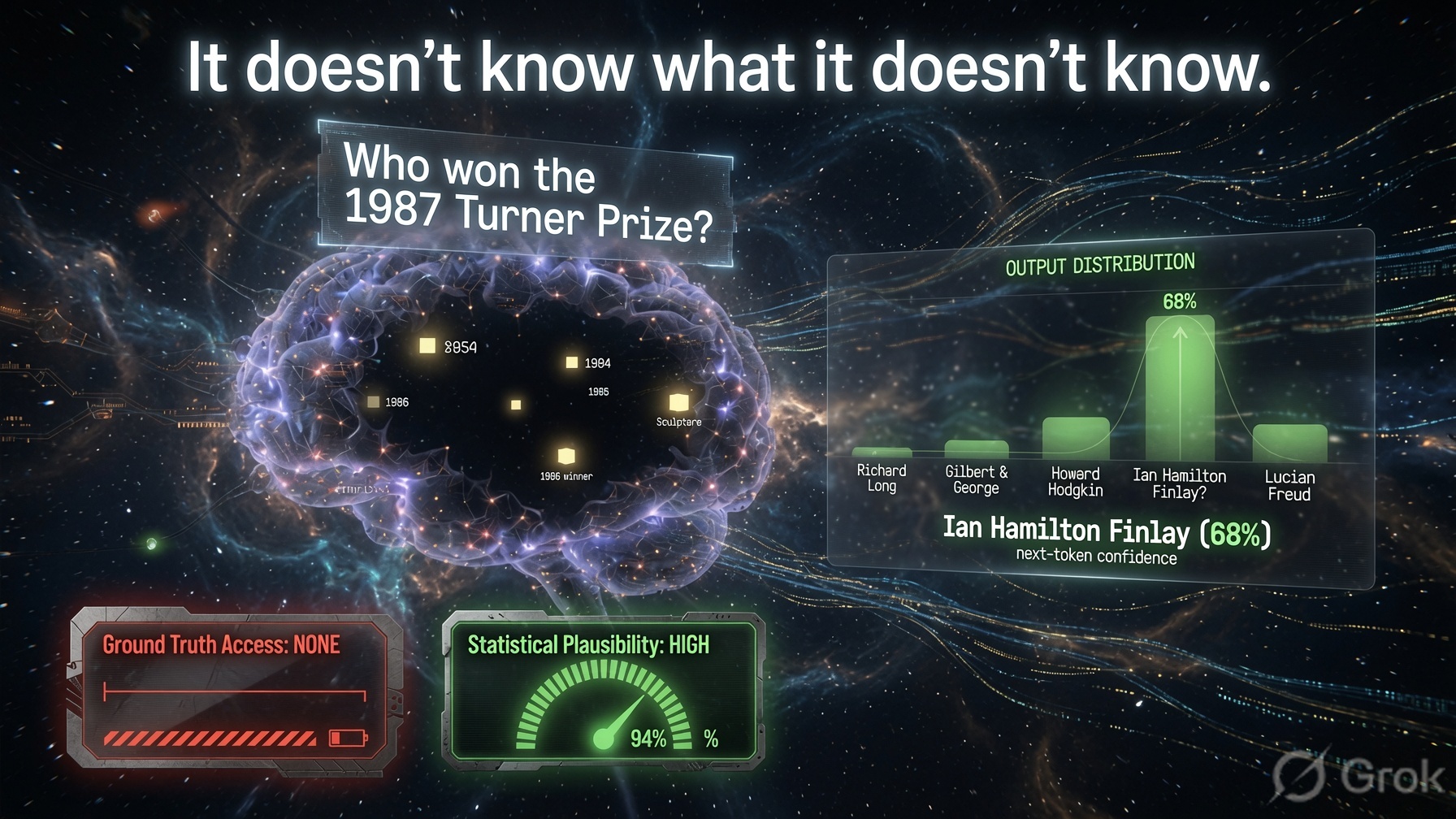
LLMs Are Probability Engines, Not "Thinkers"
What ChatGPT and Claude actually are under the hood — a plain-English explainer of next-token prediction, softmax, attention, and why hallucinations are inevitable. Beginner to intermediate, with interactive animations.
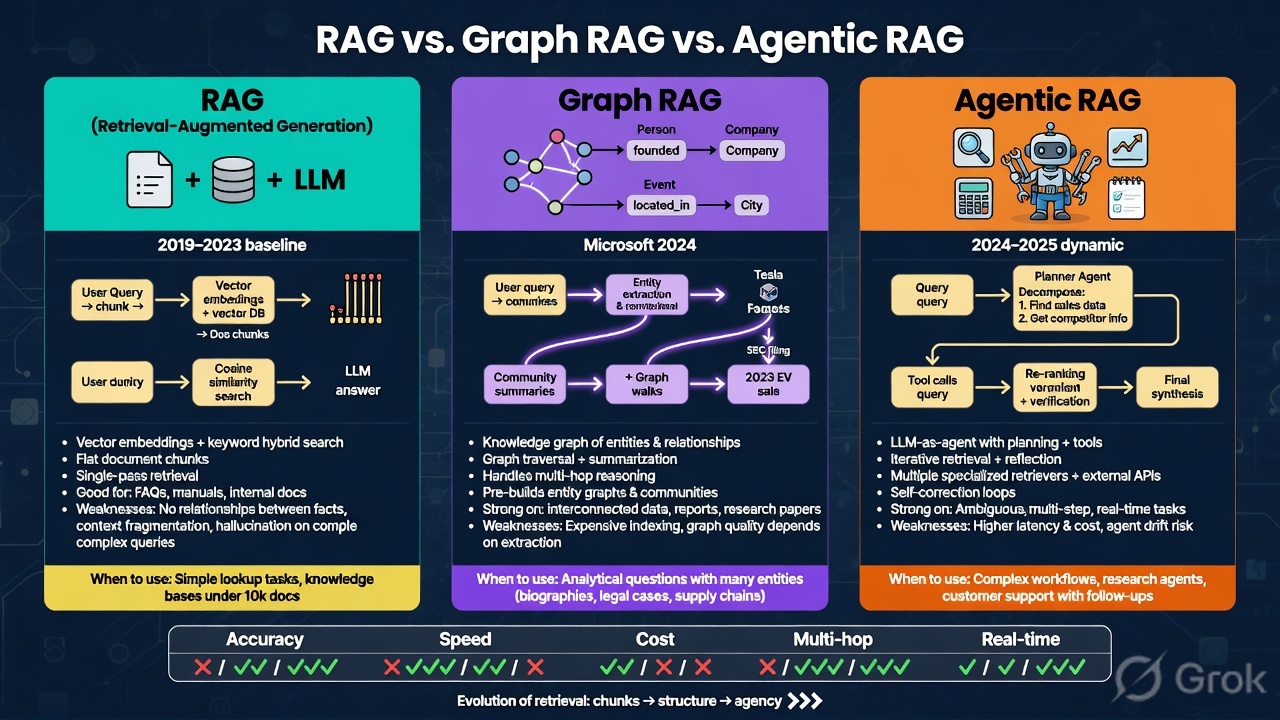
RAG, Graph RAG, Agentic RAG — and How to Make Any of Them 32× Memory Efficient
A visual breakdown of three RAG architectures — when each one wins, where it breaks down, and how binary quantization can shrink the vector index by 32× without changing the architecture you picked.